
The Next Generation of Offshore Wind Turbines
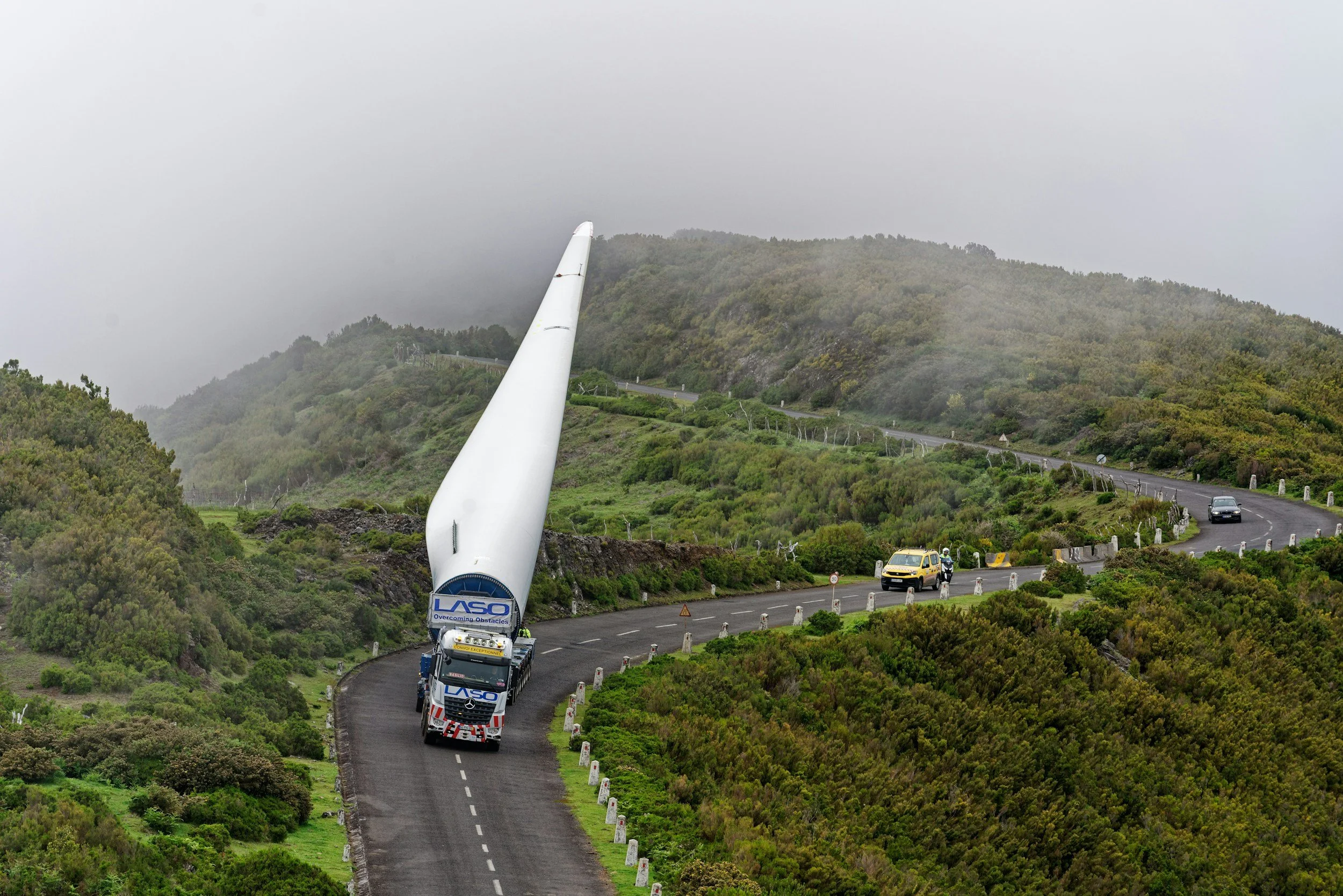
The offshore wind industry is entering an exciting new era. Advances in turbine technology are making wind farms more efficient, more scalable, and more capable than ever before. For companies like Unasys, staying at the forefront of these innovations is key to delivering cutting-edge solutions for the renewable energy sector.
Bigger, Smarter Turbines
Modern turbines are getting taller, stronger, and more efficient. Longer blades capture more energy from the wind, while smarter control systems allow turbines to adjust to changing conditions in real time. These improvements not only increase energy output but also reduce the cost per megawatt, making offshore wind a more competitive energy source.
Floating Wind Farms
One of the most exciting innovations in the industry is the development of floating wind turbines. Unlike traditional fixed turbines, floating turbines can be installed in deeper waters. This opens up vast areas of the ocean to wind energy development and allows access to stronger, more consistent winds. Floating wind farms represent the next step in expanding the global capacity for renewable energy.
Higher Capacity Blades
Another key advancement is the design of higher capacity blades. Longer, lighter, and more aerodynamic blades can capture significantly more wind energy without increasing the strain on the turbine structure. This technology is helping offshore wind farms produce more energy while maintaining durability and reliability, even in challenging offshore conditions.
The Future of Offshore Wind
Innovation in turbine technology is making offshore wind faster, more scalable, and more efficient. For Unasys, embracing these advances is part of delivering world-class solutions that support the transition to renewable energy. As the next generation of turbines takes shape, the offshore wind industry is set to play a central role in meeting the world’s energy needs sustainably and reliably.